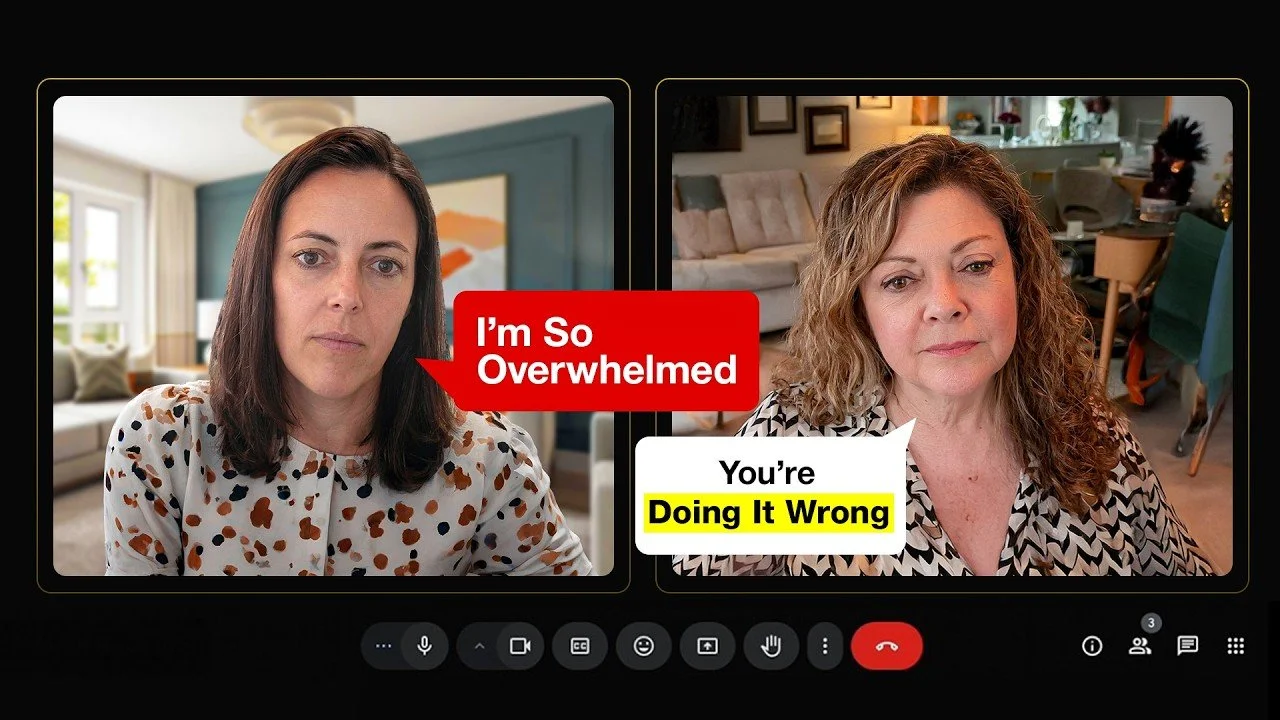
Stepping into a bigger leadership role should feel like an exciting career milestone. But what happens when the responsibilities keep growing, the pressure becomes overwhelming, and working harder no longer solves the problem?
For Melissa, a leader at a midsized insurance company, that was exactly the situation she faced.
In this conversation, Melissa shares how executive coaching helped her move from feeling overwhelmed and stretched thin to becoming a more confident, strategic leader.
Her experience highlights an important lesson: leadership growth isn't always about doing more. Sometimes, it's about learning to lead differently.
When a Promotion Brings More Responsibility Than Expected
Melissa was responsible for enterprise risk management when her role expanded to include third-party risk management and business continuity.
Two of these areas were new to her, and the organization was also navigating a major system implementation.
Suddenly, she was managing more complexity, overseeing additional teams, and trying to influence people who didn't directly report to her.
The pressure was significant.
She described feeling stretched thin, overwhelmed, and frustrated by challenges that seemed to repeat themselves every day.
Nothing was improving, despite how hard she worked.
Why Working Harder Wasn't Working
Like many high-performing professionals, Melissa initially believed that putting in more effort would eventually solve her problems.
She focused on staying organized, keeping projects moving, and persuading others to follow through.
But the same challenges continued.
One of the biggest obstacles was learning how to influence people and create accountability without relying solely on direct reporting relationships.
Melissa realized she wasn't fully using her leadership authority. She was spending too much time trying to pull people along rather than establishing clear expectations and accountability.
The problem wasn't her commitment or capability. It was the leadership approach she was using.
How Executive Coaching Changed Her Approach
Through coaching, Melissa began identifying her existing strengths and learning how to apply them more intentionally.
Instead of reacting to individual problems as they appeared, she developed a more strategic approach to communication, influence, and team alignment.
She also learned that holding people accountable wasn't unkind or politically inappropriate.
It was part of being an effective leader.
The coaching process helped her approach difficult conversations differently, establish clearer expectations, and follow up when commitments weren't being met.
Over time, these changes helped her feel more confident in her authority and more effective in her role.
The Impact on Her Team and Organization
Melissa's progress didn't stop with her own leadership development.
She began sharing the techniques she learned with the eight people on her team.
According to Melissa, the organization benefited through:
Reduced inefficiencies and improved decision-making.
Greater accountability across the team.
More effective performance reviews and quarterly check-ins.
Stronger employee development.
Improved talent retention and reduced risk of costly turnover.
What began as an investment in one leader created benefits for the broader team.
Melissa felt that her employer received a meaningful return on its coaching investment because the improvements extended beyond her individual performance.
Why the Right Time for Coaching Is Often the Busiest Time
When Melissa was first offered executive coaching through her company's leadership development program, she tried to postpone it.
She couldn't imagine finding even two hours a month for coaching while managing her expanded responsibilities.
Her HR director encouraged her to participate, explaining that the challenges she was experiencing made it an especially valuable time to begin.
Looking back after a year, Melissa agreed.
The coaching provided an opportunity to discuss challenges openly, examine her leadership habits, and develop practical solutions.
She also appreciated having someone outside the organization with whom she could be candid about situations she might hesitate to discuss with her manager.
Sometimes, the moment when coaching feels least convenient is when it can provide the greatest value.
What Makes Personalized Executive Coaching Different?
Leadership books, training programs, and AI tools can provide valuable information.
But Melissa found something different in an ongoing coaching relationship.
Rather than receiving general advice, she worked with someone who understood her specific challenges, remembered previous conversations, and followed up on her progress.
She valued being challenged to reconsider assumptions and examine patterns she hadn't recognized herself.
That continuity made the experience more personal and practical.
Instead of collecting more information, she was learning how to apply new approaches in real situations.
From Overwhelmed to Confident Leadership
Melissa described the experience as a game changer.
By the end of the coaching engagement, she felt better equipped to navigate complex situations, communicate effectively, and develop her team.
She was no longer relying on the same habits that had left her feeling overwhelmed.
Her experience demonstrates that becoming a stronger leader doesn't necessarily require more hours, more effort, or more technical knowledge.
Sometimes, the biggest shift comes from changing how you approach the responsibilities you already have.
The Bottom Line
Executive coaching isn't simply about improving leadership skills in theory.
It's about applying those skills to real challenges, building confidence, and developing approaches that continue working long after a coaching session ends.
For Melissa, the results included stronger accountability, better decision-making, improved team development, and a more sustainable approach to leadership.
The goal isn't to work harder to become a better leader. It's to become a leader who knows how to achieve more through others.
If you're navigating a demanding leadership role, managing complex team dynamics, or feeling overwhelmed by growing responsibilities, let's talk about how executive coaching can help.